



Introduction
Over more than 30 years of working with technical documentation and materiel publications, we have seen the same challenges repeated across countless projects.
The common denominator is that they rarely stem from the documentation itself. Instead, they are usually the result of poor timing, inadequate source material and ineffective project planning.
Here are some of the most common pitfalls – and our recommendations for avoiding them.
1. Documentation starts at the wrong time
A common misconception is that documentation always starts too late. In reality, the problem is often that it starts at the wrong time.
If the design is still evolving, starting documentation production too early may result in large parts of the documentation having to be rewritten. At the same time, some publications must be completed well in advance of activities such as testing, training or phased deliveries.
In a mature project with a stable design, however, documentation work can begin early and progress very efficiently.
There is therefore no universal starting point. Documentation work should be aligned with the maturity of the project and divided into phases so that the right information is produced at the right time.
2. The design continues to change
In many projects, the design continues to evolve while the documentation is being produced.
This is particularly common for newly developed products and major modifications. The challenge is not that changes occur, but that they are not always communicated or managed in a structured manner.
Clear change management and close collaboration between engineering and documentation significantly reduce the risk of costly rework.
3. Poor source material
This is one of the most common reasons why documentation projects become more expensive than planned.
Many projects rely on existing manuals, instructions or drawings that served their original purpose well but do not meet the requirements of a materiel publication.
Typical issues include:
- inconsistent terminology
- unsuitable illustrations
- poor document structure
- missing information
When these deficiencies are discovered late in the project, extensive rework is often required.
Assessing and validating the source material before production begins is a worthwhile investment.
4. Illustration material is insufficient
Many organisations assume that illustrations can simply be taken directly from the CAD system.
In practice, suitable CAD data is not always available. New illustrations may therefore need to be created from scratch, affecting both the project schedule and the budget.
Illustration requirements should therefore be identified during the project planning phase.
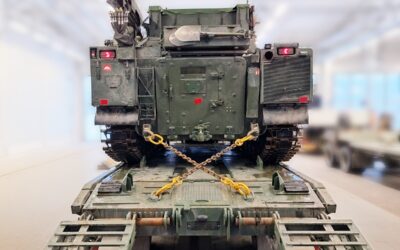
5. The drawings do not reflect the delivered materiel
Even when the drawing package is complete, it does not necessarily represent the delivered materiel.
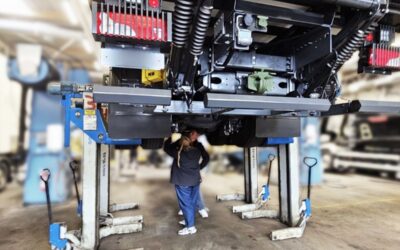
Components may have been relocated or modified during development. If the documentation is produced solely from engineering drawings, there is a risk that it will not accurately reflect the delivered product.
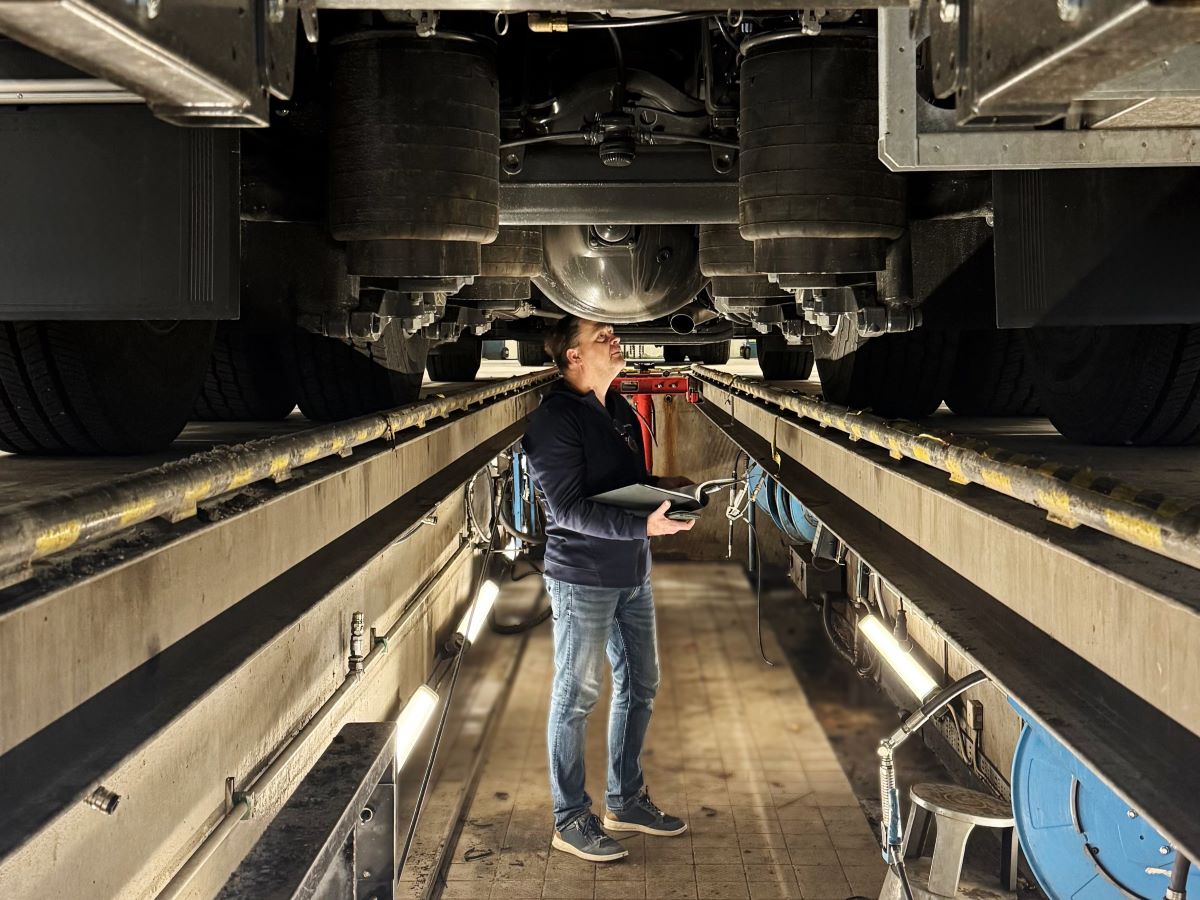
In many projects, the delivered materiel therefore needs to be verified before the documentation is finalised.
6. No one owns the technical review
A recurring challenge is the lack of a clearly designated owner of the technical review.
Documentation is circulated among subject matter experts, but no single person has overall responsibility for ensuring that the content is technically correct before it is submitted to FMV.
The result is unnecessary review comments, additional correction cycles and longer lead times.
A clearly defined internal review process with appointed subject matter experts saves both time and cost.
7. The review process lacks discipline
Many projects have a well-developed production plan but a much less structured review process.
The first review is often superficial and generates only a few comments. As delivery approaches, more reviewers become involved, the level of scrutiny increases, and comments are raised on issues that should have been addressed much earlier.
The problem is rarely that the comments are incorrect – on the contrary, they are often entirely valid.
The problem is that they arrive too late.
An effective review process is built on clear ground rules. Each review cycle should have a well-defined purpose, the right expertise should be involved from the outset, and approved chapters should not be reopened unless the underlying conditions have genuinely changed.
Reviewing documentation is not simply about finding errors – it is about finding the right errors at the right time.
8. Documentation is regarded as an appendix
Perhaps the biggest misconception in many projects is that documentation is regarded as something delivered alongside the materiel.
In reality, documentation is part of the materiel.
An advanced system may be technically perfect, but without accurate documentation it cannot be operated, maintained or used for training safely and effectively.
Defence materiel is also expected to remain operational for several decades, sometimes after long periods in storage. When the materiel is needed, both the equipment and its documentation must function as intended.
That is why documentation must be planned, funded and quality-assured in the same way as every other part of the system delivery.
Viewing documentation as an integral part of the materiel is not simply a matter of quality – it is a prerequisite for long-term operational capability.
Summary
Most problems in documentation projects can be prevented.
The common denominator behind the most frequent pitfalls is that they rarely concern the writing itself. Instead, they relate to planning, collaboration, source material and well-defined processes.
By identifying risks early and giving documentation the conditions it needs to succeed, lead times, costs and rework can all be reduced significantly.